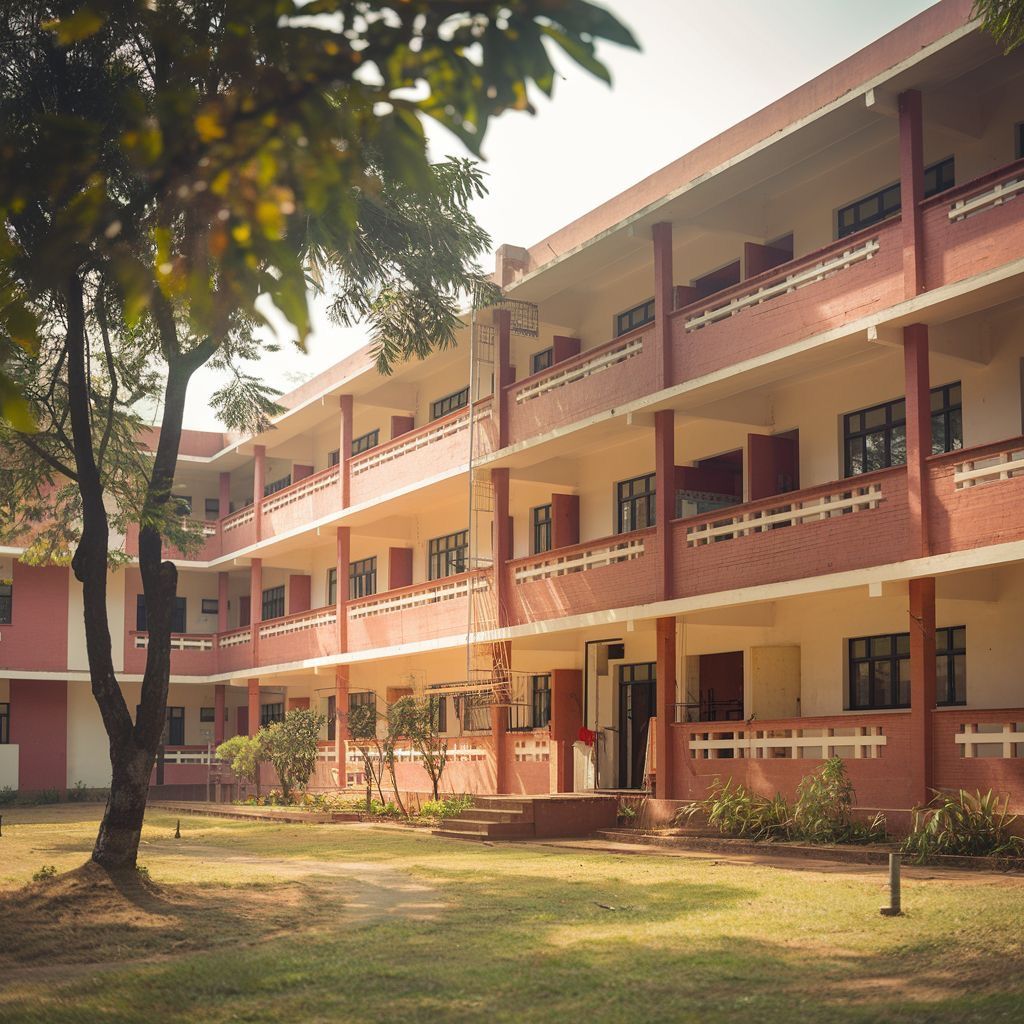
Century-Old Legacy with Modern Vision
What truly sets St. Joseph Boys’ High School Khadki apart is its remarkable ability to honor a 100+ year legacy while embracing the future. Founded by missionary brothers in the early 1900s, the school has educated generations of families, with grandfathers, fathers, and sons often walking the same hallways. The original heritage building still stands, its stone walls engraved with the names of alumni who served in wars or became national leaders. Yet inside those historic walls, you will find smart classrooms, digital libraries, and coding labs. The school’s archives museum, maintained by students, displays old photographs, letters, and trophies, teaching boys to respect stjosephboysschoolskhadki.com history. This blend of tradition and innovation means Josephites learn timeless values like discipline and integrity alongside AI literacy and digital citizenship. No other school in the region balances heritage and progress quite like this one.
Unique House System and Mentorship Model
Unlike typical schools where house systems are only for sports, St. Joseph has turned its four houses into lifelong support networks. Each student is assigned to one house upon admission, and he remains in that house for his entire school career. Every house has its own motto, song, color, and common room decorated by students. What makes this unique is the cross-age mentoring: house seniors meet weekly with juniors to discuss academics, personal problems, or career advice. Teachers are also assigned as house mentors, meeting with small groups of 8-10 boys every fortnight for informal chats. House points are awarded for everything from test scores to acts of kindness, and the annual House Championship is fiercely contested. This system ensures no boy feels lost in a large school; he always has a smaller family looking out for him.
Emphasis on Mental Health and Emotional Well-Being
In an era of rising student stress, St. Joseph Boys’ High School has pioneered a comprehensive mental health program that is rare in Indian schools. A full-time school counselor is available daily, and students can request appointments by dropping a note in a confidential box. Monthly “Wellness Wednesdays” replace regular classes with activities like meditation, art therapy, and group discussions on managing emotions. Teachers are trained to recognize signs of anxiety or depression and refer students appropriately. The school has a strict anti-bullying policy with a student-led “Peace Committee” that mediates conflicts. Parents receive workshops on positive parenting and recognizing teenage mental health issues. Most uniquely, the school allows “mental health days” where a student can take a day off without a medical certificate, simply by informing the counselor. This compassionate approach creates a safe environment where boys feel supported, not judged.
Strong Parent-School Partnership
Another distinctive feature is the school’s deliberate effort to involve parents as partners, not just spectators. The Parent-Teacher Association meets twice monthly and has real decision-making power in areas like uniform changes or event planning. A mobile app provides daily updates on homework, attendance, and behavior, but also includes positive notifications like “Your son helped a classmate today.” The school organizes “Father-Son Sundays” and “Mother-Son Mornings” where parents participate in activities with their children on campus. Annual workshops for parents cover topics like navigating adolescence, digital safety, and career guidance. The school also has a parent volunteer program for sports coaching, library assistance, and field trip chaperoning. This partnership ensures that education continues at home, with parents and teachers on the same page. Many parents report that this collaboration makes them better caregivers and deepens their connection to the school community.
Community Service as a Core Identity
What truly makes St. Joseph unique is its belief that service is not an extracurricular activity but the very purpose of education. Every student must complete a minimum number of community service hours each term, but most far exceed the requirement. The school has adopted a nearby village, where students go every Saturday to teach basic English and math to younger children. The Josephite Outreach Program organizes health camps, blood donation drives, and tree planting initiatives. During natural disasters, students collect supplies and raise funds. The school’s most cherished tradition is the “Day of Giving,” where all classes cancel regular lessons to work on community projects, from cleaning public parks to visiting orphanages. This emphasis on service produces graduates who are not just ambitious but compassionate, understanding that privilege comes with responsibility. It is this moral dimension that alumni cite as the most valuable gift of their Josephite education.